
Security for AI Systems: Expert AI Cybersecurity Solutions and Managed Detection for Enterprise Protection

In an era where artificial intelligence is reshaping industries, the importance of robust cybersecurity measures specific to AI systems cannot be overstated. As businesses increasingly rely on AI technology to process and analyze data, they become prime targets for cyber threats. This article will delve into the critical elements of AI cybersecurity, exploring how managed detection and response (MDR) can enhance security protocols in AI-driven environments. Readers will learn the latest threats facing AI systems, the role of advanced security architectures, and the benefits of implementing a zero-trust model in their security frameworks. The information provided aims to equip enterprises with knowledge for effective risk mitigation and compliance with cybersecurity standards.
Importance
In today’s rapidly evolving technology landscape, implementing strong cybersecurity measures is vital for businesses leveraging AI systems. The integration of AI facilitates improved decision-making, enhances operational efficiency, and drives innovation. However, these capabilities come with increased risks, as cyber attackers continually develop sophisticated strategies to exploit vulnerabilities in AI systems. Robust cybersecurity not only protects sensitive information but also preserves organizational reputation and customer trust.
Supra ITS highlights the pivotal role of cybersecurity in maintaining the integrity of AI applications, ensuring data privacy, and facilitating compliance with regulations. As enterprises adopt AI technologies, a focused cybersecurity strategy becomes essential, presenting a continuous challenge for organizations dedicated to safeguarding their operations.
Implementation
Implementing effective cybersecurity strategies in AI systems involves multi-layered approaches. First and foremost, organizations can benefit significantly from partnerships with managed service providers experienced in IT security. These collaborations can ensure that AI systems are monitored and secured round the clock.
Furthermore, organizations should leverage AI tools for real-time data analysis and threat detection, allowing for quicker responses to potential breaches. Integrating these tools enables businesses to adapt their defenses proactively, reducing downtime and operational impacts of cyber incidents.
Effectiveness
The effectiveness of AI in enhancing cybersecurity is primarily derived from its ability to identify and respond to threats dynamically. By utilizing machine learning algorithms, AI can analyze vast amounts of data to detect patterns indicative of breaches more efficiently than traditional methods.
With continuous learning capabilities, AI systems improve their defense tactics over time, facilitating a proactive stance in cybersecurity. This adaptability ensures that organizations can address vulnerabilities before they are exploited, ultimately enhancing their security posture.
Supra ITS’s services specifically align with these needs, offering continuous enhancement to cybersecurity measures tailored for evolving AI threats.
What is Managed Detection and Response and Why Does It Matter for AI Systems?

Managed Detection and Response (MDR) is a comprehensive cybersecurity approach that combines advanced security technologies with human expertise to detect, respond to, and remediate threats. MDR matters for AI systems due to the distinct security challenges they face, which traditional security measures may not adequately address.
Key Benefits of MDR for Enhancing Cybersecurity Strategies:
MDR provides several key advantages that are particularly relevant for enterprises relying on AI technologies:
- Active Threat Hunting: Unlike passive monitoring, MDR involves active searching for potential breaches, thus enhancing detection capabilities.
- Faster Containment Times: By utilizing a dedicated team of security experts, MDR services can facilitate rapid response to incidents, potentially minimizing damage.
- Integrated Response Capabilities: With combined efforts from technology and humans, organizations can achieve a more coordinated and effective response to threats.
These benefits underscore the importance of incorporating MDR into security strategies for AI systems.
How Does MDR Protect AI-Driven Environments?
MDR fortifies security in AI-driven environments by combining monitoring, advanced analytics, and human oversight. Continuous monitoring ensures that all activities related to AI systems are tracked, allowing for the prompt identification of suspicious behavior.
Moreover, analytics powered by AI contribute to real-time decision-making, where anomalies can be analyzed swiftly to determine whether they represent true threats or benign activities. Human expertise complements this capability, providing advanced threat detection that automated systems alone may miss.
Which Features Define Effective MDR for Enterprise AI Security?
Effective MDR solutions incorporate several defining features crucial for securing enterprise AI systems:
- 24/7 Monitoring Capabilities: Continuous surveillance allows for the immediate detection of threats, minimizing window opportunities for attackers.
- Integration with Existing Security Frameworks: An effective MDR service must seamlessly integrate with existing security measures, enhancing overall effectiveness without causing disruption.
- Customizable Alerting and Reporting: Customizable dashboards help teams quickly assess threat levels and understand their current security posture.
These features ensure that MDR provides comprehensive support tailored to the dynamic nature of AI environments.
What Are the Primary Cyber Threats Facing AI Systems Today?
AI systems are particularly vulnerable to several cyber threats which can have significant implications for security and operation.
- AI-Directed Attacks: Cybercriminals are increasingly targeting AI algorithms, seeking to manipulate outputs to achieve malicious objectives.
- Data Theft: Sensitive data utilized by AI systems is prime for extraction, which can be exploited for financial or strategic gain.
- Deepfake Social Engineering: Utilizing sophisticated artificial intelligence, attackers create realistic fake identities to trick individuals into revealing sensitive information.
These threats necessitate a comprehensive understanding of cybersecurity to establish robust defenses against evolving vulnerabilities.
How Do Adversarial AI Attacks and Data Poisoning Threaten AI Security?
Adversarial AI attacks manipulate the inputs to AI systems, leading to incorrect outputs or compromised decision-making. Such strategies can significantly impact the reliability of AI while introducing risks that can be exploited by malicious actors.
Data poisoning refers to the insertion of misleading training data into AI systems, rendering the machine learning models ineffective and unreliable. Vigilance and robust defenses against these attack vectors are critical for maintaining AI integrity and performance.
What Role Does Cyber Threat Intelligence Play in Predicting AI Security Breaches?
Cyber threat intelligence enhances an organization’s ability to predict potential AI security breaches. By collecting and analyzing data regarding current threat landscapes, organizations can proactively adapt their security measures.
Threat intelligence aids in identifying emerging risks and adjusting strategies accordingly, thus improving response capabilities against new and evolving cyber threats. This foresight is invaluable, particularly in a rapidly changing landscape where AI exploits are becoming more sophisticated.
How Does AI Security Architecture Establish Robust Protection for Enterprise Systems?
AI security architecture is designed to create a fortified environment capable of withstanding cyber threats. By integrating a variety of security mechanisms, such as firewalls, intrusion detection systems, and encryption, comprehensive protection can be established.
This layered security approach ensures that if one layer is breached, additional defenses remain in place to protect the core of AI systems. Such architecture is pivotal not only for protecting data but also for maintaining the operational integrity of AI applications.
What Are the Benefits of Zero Trust Models in AI Security Architecture?
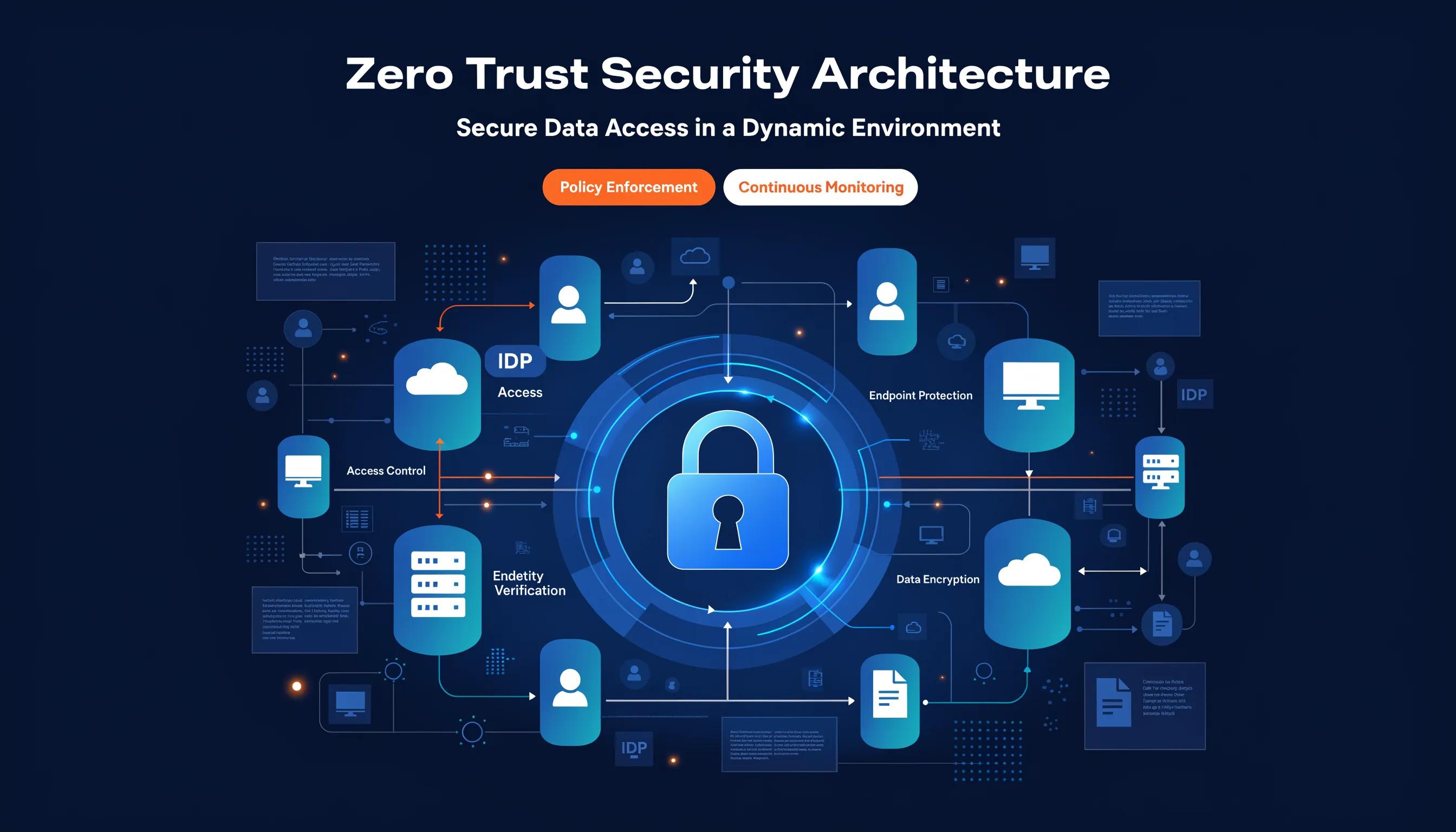
Zero Trust models operate on the principle of “never trust, always verify,” emphasizing strict identity verification and access controls. This model enhances AI security by ensuring that every access point is scrutinized, thus protecting sensitive organizational data.
- Access Control Mechanisms: All users, regardless of their location, are required to prove their identity before accessing resources, which reduces risk.
- Continuous Monitoring Strategies: Regular monitoring of user activities provides insights into potential risks and anomaly detection.
Implementing a Zero Trust model generates a security environment where breaches become significantly more challenging for attackers.
How Is AI Security Architecture Designed for Scalability and Compliance?
AI security architecture must be designed for both scalability and compliance. As organizations evolve, their security needs will increase, necessitating systems that can adapt to growing data volumes and user demands.
Compliance with regulations such as GDPR and NIST is critical. Organizations must continually assess their security measures to ensure they meet these standards, protecting sensitive data while safeguarding against legal repercussions.
Which Compliance and Risk Management Standards Guide AI Cybersecurity Practices?
Numerous compliance and risk management standards guide best practices in AI cybersecurity:
- GDPR Implications: Regulations under GDPR have specific stipulations for data protection that organizations must follow.
- NIST AI Guidelines: These guidelines offer frameworks to assist organizations in implementing effective cybersecurity practices tailored for AI environments.
- ISO Standards: International Organization for Standardization (ISO) standards provide detailed protocols for risk management and protection.
Adhering to these standards ensures that organizations maintain a secure environment for their AI systems while promoting trust among users and stakeholders.
How Do GDPR and NIST AI Guidelines Impact AI Security Strategies?
GDPR and NIST guidelines impose significant requirements for organizations handling AI data. Compliance demands the implementation of robust security practices to protect user information and maintain trust.
- Frameworks for Compliance: AI systems must be continuously assessed and updated to align with legal requirements.
- Influence on AI Security Practices: The specifics of these guidelines often dictate the choice of technologies and practices organizations implement to ensure compliance.
Understanding the implications of these standards is essential for developing effective AI cybersecurity strategies that adhere to best practices.
What Are Best Practices for Risk Mitigation in AI-Driven Enterprises?
The following best practices are essential for mitigating risks in AI-driven enterprises:
- Implementing Proactive Security Measures: Regularly updating security protocols ensures that systems are equipped to handle emerging threats.
- Conducting Regular Assessments of AI Vulnerabilities: Continuous review processes help to identify and remediate potential weaknesses in AI systems rapidly.
- Training Employees on Cybersecurity Awareness: Empowering staff with knowledge about cybersecurity risks can help prevent human errors that lead to breaches.
These practices collectively enhance the resilience of AI systems against cyber threats.


